Understanding the 12 Houses in Astrology: A Complete Guide to Your Birth Chart
Learn the meanings of all 12 astrological houses in your birth chart. Discover how each house governs different areas of life from personality to career.
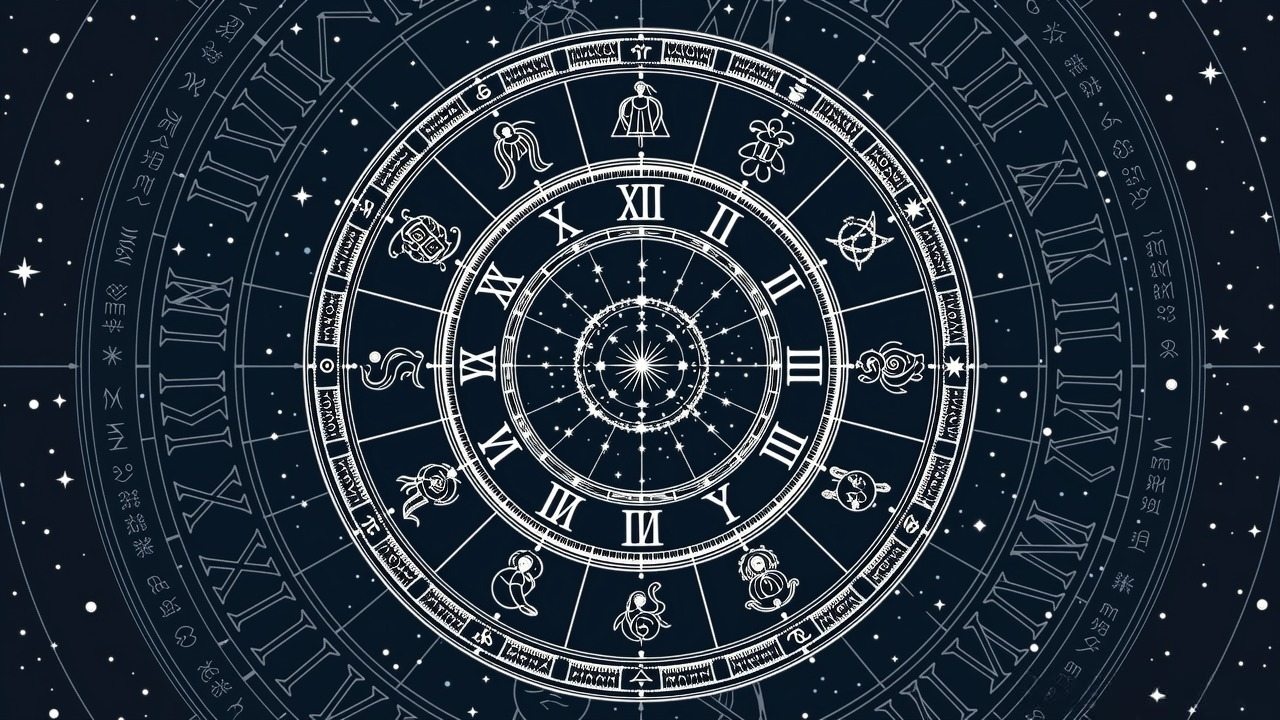
The twelve houses form the foundation of astrological interpretation, representing the stage where planetary energies manifest in your life. While planets are the actors and signs are their costumes, the houses show exactly where the drama unfolds. Understanding this system transforms a collection of planetary positions into a coherent life story.
Think of your birth chart as a cosmic map divided into twelve segments, each governing specific life domains. The houses progress counterclockwise from the Ascendant, creating a complete circle that mirrors the daily rotation of Earth. This ancient system, refined over millennia, provides the context for everything in your chart.
The Foundation: What Houses Represent
Houses operate on the principle of "where" rather than "what" or "how." They answer fundamental questions about life experience: Where will you encounter challenges? Where are your natural talents? Where will you find love or build your career?
Each house corresponds to specific life areas, from your most private self to your public reputation. The quality of experience in each house depends on the planets residing there, their signs, and the aspects they form. An empty house isn't inactive—it simply operates through its natural ruler and any planets aspecting it.
The house system used in modern Western astrology primarily derives from Hellenistic traditions, though different cultures developed similar concepts independently. The consistent theme across traditions is that human experience can be categorized into twelve fundamental domains.
The Angular Houses: Foundation of Personality
The angular houses (1st, 4th, 7th, and 10th) form the chart's corners and represent the most dynamic life areas. These houses initiate action and mark significant turning points.
First House: The House of Self
The first house begins at the Ascendant (or rising sign), marking the eastern horizon at your birth. This house governs your physical appearance, personality, and approach to life. It represents how you present yourself to the world and the first impressions you make.
Planets in the first house strongly influence your personality and physical characteristics. Mars here might indicate athleticism or assertiveness, while Venus could suggest grace and charm. The sign on your first house cusp describes your natural demeanor—Aries rising appears direct and energetic, while Cancer rising seems nurturing and protective.
This house reveals your instinctual reactions and the persona you develop to navigate the world. It's where you establish your identity separate from others.
Fourth House: The House of Home and Family
The fourth house sits at the bottom of the chart, representing your roots, family background, and private life. This house governs your childhood environment, relationship with parents (particularly the nurturing parent), and your concept of home.
Planets in the fourth house indicate your emotional foundation and what you need to feel secure. The Moon here suggests strong emotional ties to family and home, while Saturn might indicate responsibilities toward family or a structured home environment.
This house also represents your private self—the person you are behind closed doors, away from public scrutiny. It shows what you need for emotional replenishment and where you retreat for comfort.
Seventh House: The House of Partnerships
Directly opposite the first house, the seventh house represents significant one-on-one relationships. This includes marriage, business partnerships, and important collaborations. Where the first house is "me," the seventh house is "we."
Planets in the seventh house describe the qualities you seek in partners and the nature of your relationships. Venus here suggests harmonious partnerships, while Mars might indicate dynamic or competitive relationships. The sign on the seventh house cusp shows what you need from others to feel complete.
This house also governs open enemies—those who oppose you directly. It represents all forms of conscious interaction with others.
Tenth House: The House of Career and Public Life
The tenth house sits at the chart's highest point, representing your public reputation, career, and life direction. This house shows your achievements, social status, and how you're perceived in your community.
Planets in the tenth house influence your career path and public image. Saturn here might indicate a serious, responsible career path, while Jupiter could suggest expansion through professional recognition. The sign on the tenth house cusp describes your approach to authority and achievement.
This house also relates to the parent who represented authority (often the father or more career-oriented parent) and your relationship with societal structures.
The Succedent Houses: Stabilizing Forces
The succedent houses (2nd, 5th, 8th, and 11th) follow the angular houses and represent stability, resources, and fixed patterns.
Second House: The House of Values and Possessions
The second house governs personal resources, including money, possessions, and innate talents. More fundamentally, it represents your value system—what you consider important and worth cultivating.
Planets in the second house indicate how you generate and manage resources. Venus here might suggest earning through artistic pursuits or valuing beauty, while Uranus could indicate unconventional income sources or sudden financial changes. The sign on the second house cusp shows your attitude toward security and material comfort.
This house reveals your relationship with the physical world and what makes you feel substantiated as an individual.
Fifth House: The House of Pleasure and Creativity
The fifth house represents self-expression, creativity, romance, and pleasure. This is the house of joy, where you explore what makes life worth living beyond basic survival.
Planets in the fifth house influence your creative expression and approach to leisure. The Sun here suggests a strong creative drive and love of attention, while Neptune might indicate artistic inspiration or romantic idealism. The sign on the fifth house cusp shows how you approach fun and self-expression.
This house also governs children, speculation, and entertainment—anything that brings spontaneous joy and allows your inner child to emerge.
Eighth House: The House of Transformation
The eighth house represents shared resources, intimacy, and psychological transformation. This house governs inheritance, taxes, other people's money, and deep emotional bonds.
Planets in the eighth house indicate your approach to intimacy and handling shared resources. Pluto here suggests intense transformational experiences, while Jupiter might indicate financial benefits through partnerships. The sign on the eighth house cusp shows how you handle vulnerability and merge with others.
This house deals with life's fundamental transformations—birth, death, sex, and rebirth. It's where you confront what must be released for growth to occur.
Eleventh House: The House of Friends and Aspirations
The eleventh house represents friendships, groups, and long-term goals. This house governs your social circle, community involvement, and hopes for the future.
Planets in the eleventh house influence your friendships and group affiliations. Uranus here suggests unconventional friends or sudden changes in social circles, while Venus might indicate harmonious friendships and social popularity. The sign on the eleventh house cusp shows how you approach collective endeavors.
This house represents your vision for society and your role within larger groups. It's where personal ambition expands to include collective ideals.
The Cadent Houses: Adaptation and Learning
The cadent houses (3rd, 6th, 9th, and 12th) represent mental processes, daily routines, and spiritual development.
Third House: The House of Communication
The third house governs communication, siblings, early education, and local environment. This house represents how you process and share information.
Planets in the third house influence your thinking style and communication approach. Mercury here suggests quick, adaptable thinking, while Saturn might indicate careful, methodical communication. The sign on the third house cusp shows how you gather and disseminate information.
This house covers short trips, neighbors, and your immediate environment—the world within easy reach that shapes your early development.
Sixth House: The House of Health and Service
The sixth house represents daily work, health routines, and service to others. This house governs your approach to employment, physical wellbeing, and practical responsibilities.
Planets in the sixth house influence your work habits and health concerns. Mars here suggests energetic work approaches or inflammatory health issues, while Neptune might indicate service-oriented work or sensitivity to medications. The sign on the sixth house cusp shows how you organize your daily life.
This house represents the integration of mind and body through disciplined practice and useful service.
Ninth House: The House of Philosophy and Travel
The ninth house represents higher education, philosophy, long-distance travel, and spiritual seeking. This house governs your search for meaning beyond immediate experience.
Planets in the ninth house influence your philosophical outlook and approach to expansion. Jupiter here suggests optimism and interest in foreign cultures, while Pluto might indicate transformative beliefs or intense spiritual quests. The sign on the ninth house cusp shows how you seek truth and understanding.
This house covers publishing, law, religion, and anything that expands your horizons beyond familiar territory.
Twelfth House: The House of the Unconscious
The twelfth house represents the unconscious mind, solitude, hidden strengths, and karmic patterns. This house governs what lies beneath conscious awareness.
Planets in the twelfth house indicate areas where you might feel vulnerable or where hidden talents reside. Neptune here suggests spiritual sensitivity or confusion about boundaries, while Saturn might indicate self-undoing patterns or karmic responsibilities. The sign on the twelfth house cusp shows how you handle solitude and connect to the collective unconscious.
This house represents what you must release to move forward—self-undoing patterns, hidden enemies, and limitations that ultimately lead to spiritual growth.
House Rulerships and Planetary Joy
In traditional astrology, each house has a natural ruler based on planetary joys—an ancient system where planets were thought to function most comfortably in certain houses.
Table: Traditional Planetary Joys
| Planet | House | Reason for Joy |
|---|---|---|
| Mercury | 1st | Expression of self through communication |
| Moon | 3rd | Connection to immediate environment |
| Venus | 5th | Expression of love and creativity |
| Mars | 6th | Application of energy to work |
| Sun | 9th | Expansion through philosophy |
| Jupiter | 11th | Benefit through friendships |
| Saturn | 12th | Structure through solitude |
Understanding these natural affinities helps interpret how planets express themselves through different houses. A planet in its joy house operates more comfortably, while planets in challenging positions relative to their joys may require more conscious integration.
Interpreting House Conditions
The condition of each house depends on multiple factors beyond which planets reside there:
House Strength Indicators:
- Planetary ruler's condition and placement
- Aspects to house cusp and ruler
- Essential dignity of planets in the house
- Accidental dignity through angular placement
- Planetary joys and affinities
A house with no planets isn't empty or inactive—it operates through its ruler's placement and condition. For example, if your seventh house is empty but its ruler Venus is strong in Taurus in the tenth house, partnerships might support career success.
Table: House Interpretation Factors
| Factor | What It Reveals |
|---|---|
| Sign on Cusp | Quality of experience in that area |
| Planetary Ruler | How the house matters are handled |
| Planets in House | Active forces in that life area |
| Aspects to House | External influences on that area |
| House Position | Natural strength of the house |
Practical Chart Examples
Consider these examples of how houses manifest in real charts:
Career-Focused Individual: A person with Saturn conjunct Midheaven in Capricorn in the tenth house, with the tenth house ruler Mars in Aries in the first house. This suggests someone who builds their career through disciplined effort (Saturn in tenth) and personal initiative (Mars in first). Their public reputation reflects their assertive personality.
Relationship-Oriented Person: Someone with Venus in Libra in the seventh house, with the seventh house ruler Venus also in the seventh. This indicates relationships are central to their identity, with natural harmony and partnership skills. They likely attract balanced, attractive partners and prioritize one-on-one connections.
Creative Professional: An individual with Sun and Mercury in Leo in the fifth house, with the fifth house ruler Sun also in fifth. This suggests strong creative self-expression, possibly working in entertainment, teaching children, or speculative ventures. Their identity is closely tied to creative output.
These examples show how house placements create specific life patterns that become visible when you know where to look in a birth chart.
House Systems: Which to Choose?
Different house systems calculate house cusps differently, affecting which signs rule which houses. The most common systems include:
Placidus: The most popular system in modern Western astrology, based on time and location Whole Sign: Each house corresponds exactly to one sign, used in Hellenistic and Vedic astrology Equal House: All houses are 30 degrees, measured from the Ascendant Koch: Similar to Placidus but using different mathematical calculations
For beginners, I recommend starting with Whole Sign houses for their simplicity, then exploring Placidus for more precise timing. The system choice matters less than consistent application—pick one system and learn it thoroughly before comparing others.
Putting It All Together
Understanding houses transforms planetary positions from abstract concepts into concrete life experiences. When interpreting your chart:
- Identify house rulers - Note which planet rules each house and where it's placed
- Check planetary conditions - Are planets in their own signs? Making beneficial aspects?
- Consider house interactions - How do different houses support or challenge each other?
- Look for patterns - Stelliums, empty houses, angular emphasis all tell stories
- Synthesize gradually - Start with one house, then add layers of complexity
The houses provide the context that makes planetary energies specific to your life circumstances. A Mars in Cancer means something very different in the tenth house (career ambition expressed protectively) versus the fourth house (defensive of home and family).
Continuing Your House Studies
Mastering the houses takes time and practice. Work with your own chart first, then study charts of people you know well. Notice how house placements manifest in actual life experiences.
Track transits through your houses to see how planetary movements activate different life areas. A Jupiter transit through your second house might bring financial opportunities, while a Saturn transit through your seventh could test relationships.
Your daily horoscope gains depth when you understand which house the transiting Moon or planets are activating. Check our daily horoscopes to see current planetary positions through the lens of house meanings.
The twelve houses form a complete picture of human experience, from personal identity to spiritual completion. Learning to read them fluently unlocks the full story your birth chart has to tell—a story that continues unfolding throughout your life.
Ready to Explore Your Birth Chart?
Apply what you've learned by calculating your personalized birth chart with guided interpretation
Open Free Birth Chart